

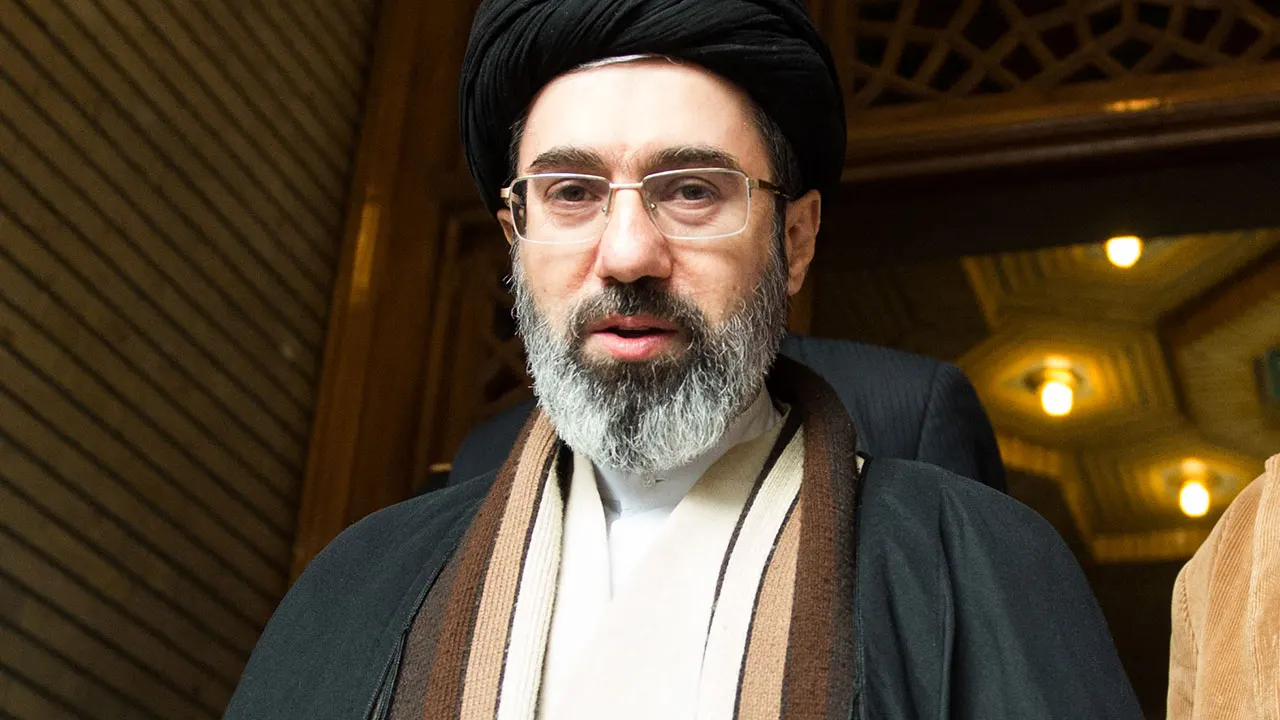
Mojtaba Khamenei has emerged as a central figure in Iran’s leadership transition, marking a potentially defining moment in the evolution of the Islamic Republic’s political system. His rise to the position of supreme leader has drawn global attention because the role carries immense authority over Iran’s military, judiciary, intelligence services, and strategic foreign policy.
The leadership transition highlights deeper dynamics within Iran’s ruling establishment, where religious authority intersects with powerful security institutions. Understanding Mojtaba Khamenei’s ascent requires examining the constitutional process for selecting a supreme leader, the influence of Iran’s security apparatus, and the political networks that shape decision-making inside the state.
How Iran Chooses Its Supreme Leader
Iran’s constitution assigns the responsibility of selecting the country’s highest authority to the Assembly of Experts, a body composed of senior clerics elected by the public. This council evaluates candidates and appoints the supreme leader when the position becomes vacant.
The supreme leader holds the ultimate authority in Iran’s political system. The office supervises the armed forces, appoints key judicial officials, and exercises substantial influence over domestic and foreign policy. As a result, leadership transitions are among the most consequential political events in the country.
The last major succession occurred in 1989 after the death of Ayatollah Ruhollah Khomeini, when the Assembly of Experts selected Ali Khamenei as his successor. That decision reshaped Iran’s political hierarchy for more than three decades.
Mojtaba Khamenei’s Rise Inside Iran’s Power Structure
Born in 1969 in Mashhad, Mojtaba Khamenei pursued religious studies in Tehran following the 1979 Islamic Revolution. Although he did not initially occupy a formal government role, analysts say his influence steadily expanded within the networks surrounding the office of the supreme leader.
The supreme leader’s office, often referred to as the Bayt-e Rahbari, has evolved into a central hub of political coordination in Iran. It oversees relationships between religious institutions, government bodies, and security organizations.
Over the past two decades, Mojtaba Khamenei has reportedly played a growing role within this structure. Observers say he developed connections with senior officials across Iran’s political and security institutions, giving him influence despite the absence of a formal elected position.
In 2019, the U.S. Department of the Treasury sanctioned Mojtaba Khamenei, stating that he had represented the supreme leader in official matters despite holding no publicly elected office.
The Role of the Islamic Revolutionary Guard Corps
The leadership transition also highlights the importance of the Islamic Revolutionary Guard Corps, widely regarded as one of the most powerful institutions within the Islamic Republic.
Created after the 1979 revolution to defend the political system, the IRGC has evolved into a military, economic, and political powerhouse. It commands elite military units and plays a central role in Iran’s regional security strategy.
Many analysts believe Mojtaba Khamenei’s ties to the security establishment could further strengthen the role of these institutions in shaping national policy. The growing alignment between clerical leadership and security institutions has become a defining feature of Iran’s governance model.
Political and Global Implications
The rise of Mojtaba Khamenei is widely interpreted by analysts as a signal of continuity within Iran’s political system rather than a shift toward reform. His leadership is expected to maintain the ideological framework that has guided the Islamic Republic for decades.
For Western governments and regional actors, the transition raises questions about Iran’s future diplomatic engagement and regional policies. The supreme leader ultimately defines Iran’s strategic posture toward international negotiations and security conflicts.
Observers also note that leadership changes in highly centralized systems often serve as moments of consolidation, during which political alliances are reinforced and institutional power structures are reaffirmed.
What Happens Next in Iran’s Leadership
The immediate challenge for Mojtaba Khamenei will be consolidating authority across Iran’s complex political institutions. These include the clerical establishment, elected political bodies, and the country’s influential security organizations.
Iran also faces significant internal pressures, including economic sanctions, inflation, and periodic social unrest. Managing these challenges will require balancing ideological commitments with the demands of governance.
Externally, Iran’s regional strategies and diplomatic engagement with global powers will continue to shape perceptions of the new leadership.
Conclusion
Mojtaba Khamenei represents a new generation of leadership within the Islamic Republic, yet his rise reflects the continuity of the political system established after the 1979 revolution. The transition underscores the enduring influence of clerical institutions and security networks in shaping Iran’s governance.
While the formal constitutional process provides legitimacy to the leadership change, the broader political reality suggests that institutional stability remains the priority for Iran’s ruling establishment. How the new leadership navigates domestic challenges and international tensions will determine the next chapter in the country’s political evolution.
FAQs
Who is Mojtaba Khamenei?
Mojtaba Khamenei is the son of former Iranian Supreme Leader Ali Khamenei and a cleric who has long been associated with the leadership networks surrounding the office of the supreme leader.
How is Iran’s supreme leader selected?
Iran’s constitution gives the Assembly of Experts the authority to appoint the supreme leader when the position becomes vacant.
What does Mojtaba Khamenei’s leadership mean for Iran’s future?
Analysts expect continuity in Iran’s political and security policies, although leadership transitions can also reshape internal power dynamics.
