

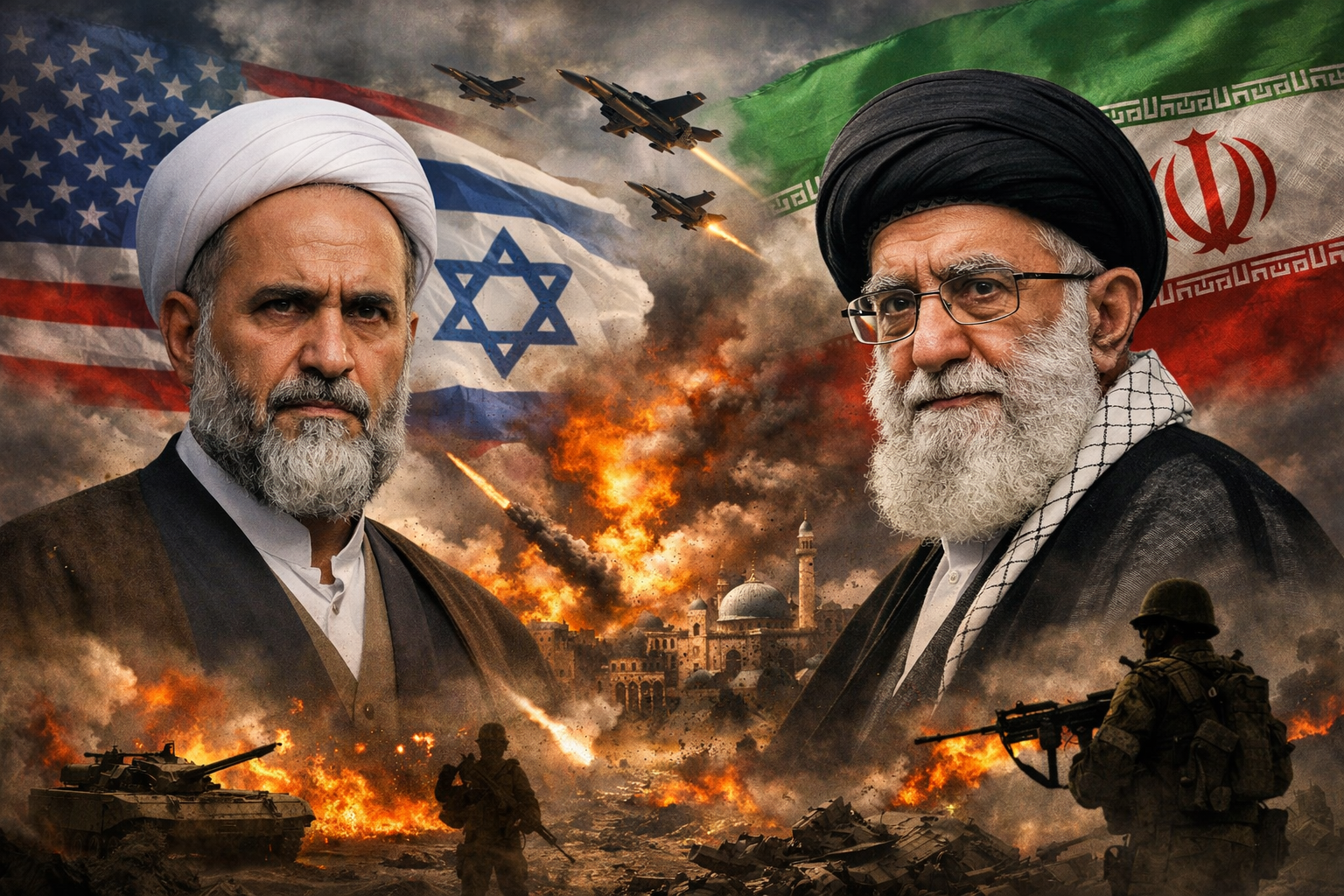
The Alireza Arafi interim leadership council role has placed the hardline cleric at the center of Iran’s most sensitive political transition in decades. Following the death of Supreme Leader Ayatollah Ali Khamenei, Tehran’s power structure is entering uncertain territory.
Iran’s governing system, long defined by centralized clerical authority, must now navigate succession under mounting internal and external pressure.
ALSO READ: Iran Supreme Leader Succession: Constitutional Process Explained
Tehran Moves Quickly After Khamenei
Iranian state media confirmed that Ayatollah Alireza Arafi has joined the interim leadership council established under constitutional provisions after the Supreme Leader’s death. The council temporarily assumes critical responsibilities until the Assembly of Experts selects a permanent successor.
Images distributed via state channels and later published by Reuters showed Arafi attending a high-level meeting alongside President Masoud Pezeshkian and judiciary chief Gholam-Hossein Mohseni-Eje’i.
The swift formation of the council signals an attempt to project institutional continuity. However, analysts note that real authority in Iran often rests within overlapping power centers, particularly the Islamic Revolutionary Guard Corps.
Arafi has spent decades within Iran’s religious establishment. He heads Iran’s seminary system and previously led Al-Mustafa University, an institution that has faced international scrutiny and sanctions.
He is also a member of the Guardian Council and has served as Friday Prayer leader in Qom, the spiritual hub of Shiite clerical authority. His career reflects consistent alignment with the ideological framework established by Ayatollah Ruhollah Khomeini, founder of the Islamic Republic.
Observers describe him as an ideologue rather than a political operator. That distinction may shape how his interim leadership is perceived both domestically and abroad.
Ideology and International Concerns
Public sermons and past speeches attributed to Arafi reflect strong opposition to U.S. and Israeli policies. Advocacy groups such as United Against Nuclear Iran have previously highlighted his hardline rhetoric.
In Washington, lawmakers are closely monitoring developments. Members of Congress have described Arafi as a strict conservative cleric with deep institutional influence.
Yet some Iran analysts argue that his lack of direct command experience within the military-security establishment could limit his leverage compared to previous leaders.
A Fragmented Power Structure
Iran’s political system combines clerical oversight, elected institutions, and powerful security networks. After Khamenei’s death, that balance faces a test.
Independent observers and diaspora media outlets, including Iran Wire, suggest that factional negotiations are underway behind closed doors. While the interim leadership council provides a constitutional bridge, ultimate authority may depend on consensus among senior clerics and security elites.
Veteran Iran watchers caution against assuming immediate consolidation. Unlike Khamenei, who spent decades shaping alliances across institutions, Arafi enters this role amid heightened geopolitical tension and domestic uncertainty.
Why It Matters
The Alireza Arafi interim leadership council role carries weight far beyond a procedural appointment.
Politically, it signals that the clerical establishment remains dominant during succession.
Economically, prolonged uncertainty may deepen investor anxiety and complicate sanctions diplomacy.
Regionally, Iran’s posture toward Israel, the United States, and Gulf states could remain assertive.
Domestically, public sentiment remains difficult to gauge amid media restrictions, but social tensions may intensify.
What Happens Next
The Assembly of Experts will eventually determine a permanent successor. Arafi’s interim visibility may strengthen his candidacy, but the final decision will reflect internal negotiations among religious and security elites.
The Islamic Revolutionary Guard Corps is expected to play an influential role, whether publicly or behind the scenes.
If consensus forms quickly, Iran could project stability. If rival factions compete for influence, the transition may extend longer than anticipated.
International governments are likely to calibrate their diplomatic posture based on early signals from the interim council’s decisions.
FAQs
What is the interim leadership council in Iran?
It is a temporary body formed after the Supreme Leader’s death to oversee constitutional authority until a permanent successor is appointed.
Is Alireza Arafi a candidate for Supreme Leader?
His appointment positions him as a possible contender, though Iran’s succession process involves internal deliberation among senior clerics.
How might this affect Iran’s foreign policy?
Given Arafi’s ideological background, continuity rather than dramatic policy change appears more likely in the short term.
Who ultimately chooses the next Supreme Leader?
The Assembly of Experts, a clerical body elected by the public, formally selects the Supreme Leader.
Who is Alireza Araf?
Alireza Arafi is an Iranian cleric and politician who has served as a member of the Guardian Council since 2019, and a member of the Assembly of Experts since 2022.
