

ISLAMABAD: Charter of Democracy Talks moved to the forefront of Pakistan’s political landscape after the government formally invited the opposition to sit together and strengthen the historic 2006 democratic agreement. The invitation was extended during a Senate session, signaling what officials described as a renewed effort to reduce political polarization and reinforce parliamentary supremacy.
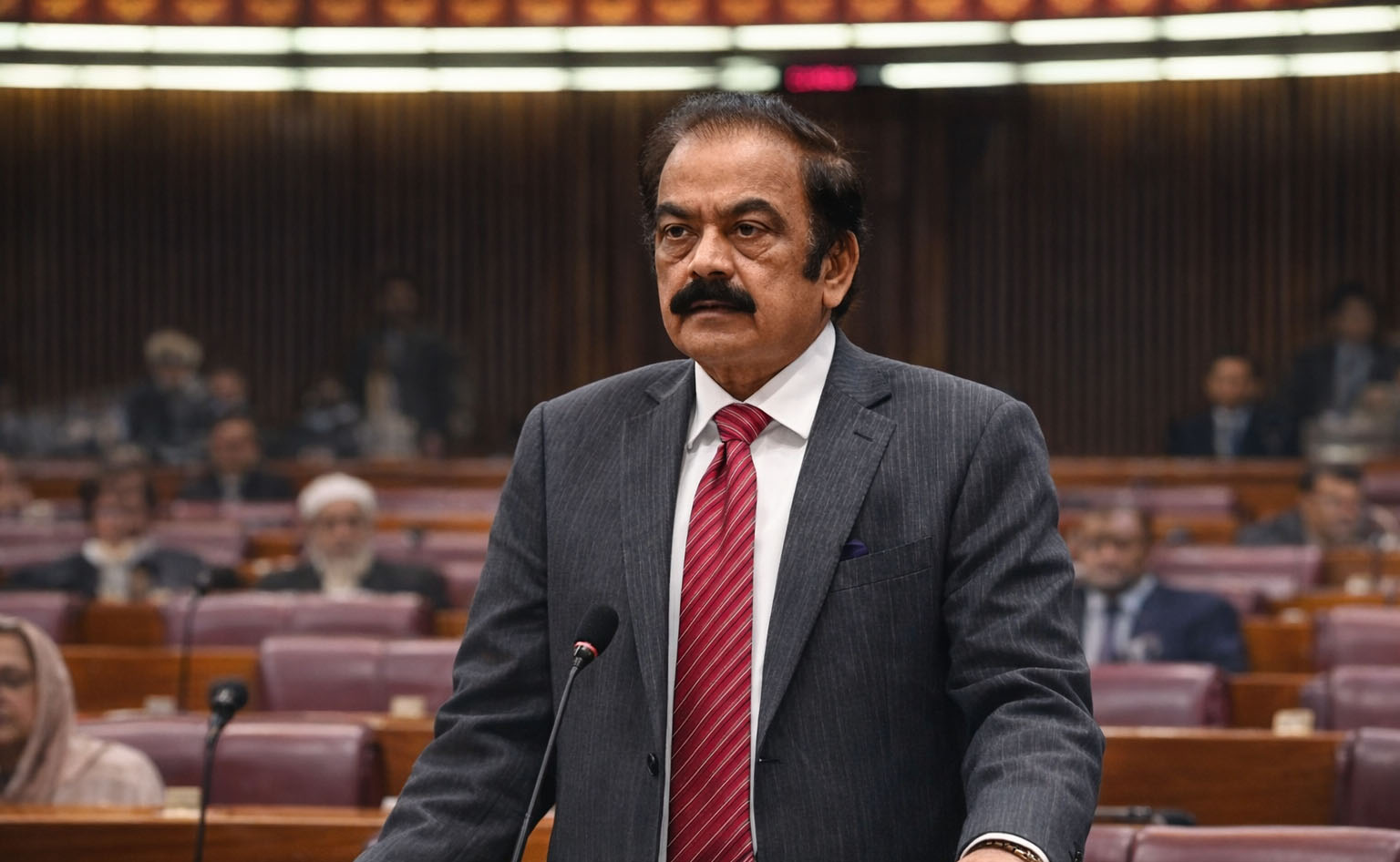
Adviser to the Prime Minister on Political Affairs Rana Sanaullah addressed the upper house in response to Opposition Leader Raja Nasir Abbas. He urged all political forces to engage in Charter of Democracy Talks, emphasizing that democratic dialogue must replace confrontation and legislative deadlock.
Sanaullah said the government was prepared to move forward in a constructive manner and insisted that strengthening the Charter of Democracy would help stabilize institutions. He maintained that political negotiations should occur within Parliament rather than through external channels.
The original Charter of Democracy was signed in 2006 by Nawaz Sharif and the late Benazir Bhutto. The agreement aimed to ensure civilian supremacy, constitutional continuity, judicial independence, and protection against authoritarian interventions. Analysts believe revisiting its principles through Charter of Democracy Talks could redefine the current political climate.
During the debate, Sanaullah indirectly criticized Imran Khan, stating that political rigidity had become a hurdle in initiating meaningful talks. He also urged the Pakistan Tehreek-e-Insaf (PTI) to rejoin parliamentary standing committees, arguing that legislative participation was essential for democratic progress.
The opposition, however, raised concerns regarding recent political developments, particularly those linked to Imran Khan’s health. Raja Nasir Abbas questioned security arrangements around Parliament during a recent sit-in, suggesting that such measures could undermine parliamentary dignity. He clarified that the opposition was not seeking to destabilize the government but demanded transparency regarding the former prime minister’s medical treatment.
Imran Khan’s eye condition, identified as central retinal vein occlusion (CRVO), has drawn national attention. The government stated that a medical board was constituted and that court directives were implemented. Officials added that an eye specialist was included at PTI’s request. References to judicial oversight can be accessed through the Supreme Court of Pakistan
Despite the exchange of criticism, both sides signaled an understanding of the need to avoid escalating tensions. Sanaullah reiterated that Charter of Democracy Talks could open the door for broader agreements on economic reforms and governance stability. He maintained that democratic forces must resolve disputes internally to prevent institutional strain.
Political observers note that Pakistan’s current environment—marked by economic pressure, institutional mistrust, and sharp partisan divisions—makes dialogue increasingly necessary. The success of Charter of Democracy Talks will depend on whether major political stakeholders demonstrate flexibility and prioritize institutional continuity over short-term political gains.
The Senate debate underscored a broader theme: reconciliation versus confrontation. While sharp rhetoric persists, the formal invitation for Charter of Democracy Talks represents a potential turning point. If negotiations materialize, they may help restore parliamentary functionality and reduce political volatility.
Why This Matters
The revival of Charter of Democracy Talks could reinforce democratic norms and encourage bipartisan cooperation at a time of heightened political strain. Strengthening parliamentary engagement may also improve legislative oversight and governance transparency.
Furthermore, resolving disputes through structured dialogue could help rebuild public confidence in political institutions. Without meaningful engagement, however, polarization may deepen and legislative progress could remain stalled.
What Happens Next
The opposition is expected to deliberate internally before issuing a formal response. Parliamentary channels may be used to initiate structured Charter of Democracy Talks if consensus emerges. The possibility of forming committees to address contentious issues, including medical transparency concerns, remains under discussion.
Whether these developments evolve into substantive negotiations or remain symbolic gestures will shape Pakistan’s immediate political trajectory.
FAQs
What are Charter of Democracy Talks?
They refer to proposed negotiations aimed at strengthening the 2006 Charter of Democracy agreement and promoting political stability.
Who signed the original Charter of Democracy?
Nawaz Sharif and Benazir Bhutto signed the agreement in 2006.
Why is Imran Khan’s health part of the debate?
Concerns regarding his eye condition and treatment have become a focal point of political discussion.
Will the opposition join the talks?
A formal response from opposition parties is expected after internal consultations.
