

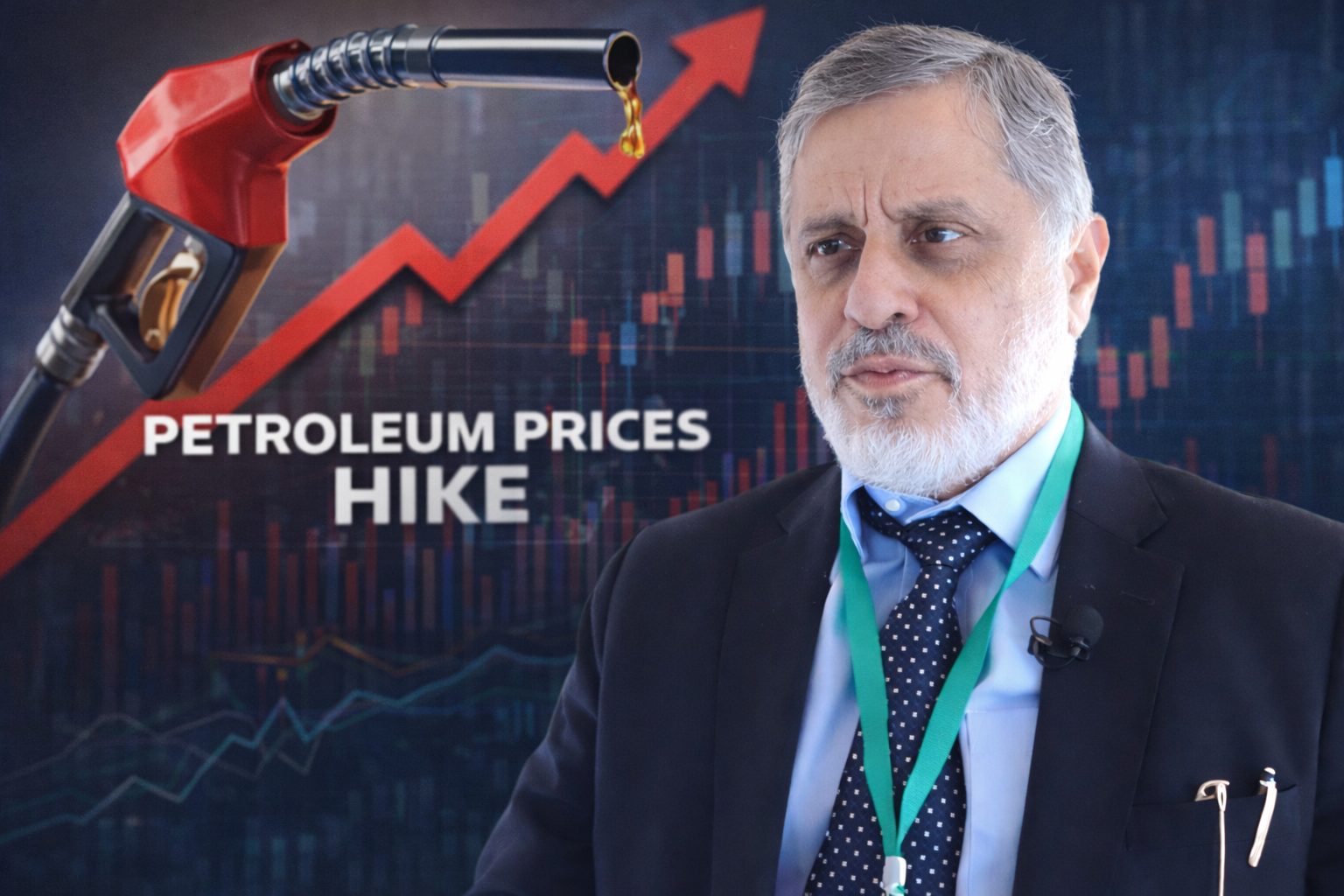
Petroleum Price Hike Pakistan has prompted urgent calls from the business community for immediate government action, as domestic fuel costs reach historic levels. Zubair Tufail, president of the United Business Group, urged authorities to abolish taxes on petroleum products to mitigate inflationary pressures and protect vulnerable households.
Sharp Increase in Fuel Prices Alarms Business Sector
In Karachi on March 8, 2026, Zubair Tufail highlighted a sudden Petroleum Price Hike Pakistan of Rs55 per litre in petrol, a historic rise of Rs130.08 per litre in kerosene, and an extraordinary jump of Rs154 per litre in jet fuel. He described the surge as unprecedented, warning that it has placed Pakistan among the countries with the highest fuel prices in the region.
Tufail noted that kerosene, widely used by low-income households, is subject to a petroleum levy of Rs20.36 per litre, while light diesel oil carries a levy of Rs15.84 per litre. He urged the government to temporarily suspend these levies to provide relief to the public during this emergency period.
Regional Price Comparison Highlights Urgency
According to Tufail, Pakistan now surpasses India, Sri Lanka, and Bangladesh in fuel prices. Petrol is sold at Rs94 per litre in India, Rs293 in Sri Lanka, and 116 Taka in Bangladesh, whereas in Pakistan, prices have surged to Rs321.17 per litre. He warned that this sharp escalation would disproportionately impact low- and middle-income households and exacerbate overall inflation.
Impact on Transportation and Commodity Costs
The immediate effects of the price hike are already visible. Transport operators have announced fare increases, while goods transporters have declared a 20 percent rise in freight charges, likely translating into higher prices for essential commodities.
Zubair Tufail highlighted that JP-1 jet fuel, used by commercial aircraft, has increased by Rs154 per litre, pushing the cost from Rs188.93 to Rs342.37, an 82 percent rise. Analysts suggest that such a surge may lead to higher airline ticket fares, affecting domestic and international travel.
Global Factors Behind Domestic Price Rise
The UBG president attributed the spike to global petroleum market tensions, particularly rising friction between the United States and Iran, which have fueled international oil prices. While acknowledging these external pressures, Tufail emphasized that the government should absorb part of the impact instead of passing the entire burden onto citizens through tax increases.
He stressed that immediate abolition of petroleum taxes could offer relief to the public, stabilize the economy, and prevent further inflationary pressures across the country.
READ MORE: Rising gas prices from Iran war imperil Trump’s Republican majority in Congress
Why It Matters
The petroleum price surge in Pakistan is significant because it affects multiple sectors, including transport, aviation, and commodity supply chains. High fuel costs directly impact household budgets and can trigger wider inflation, influencing food and energy affordability. Economically, reducing fuel taxes could stabilize markets, protect low-income citizens, and maintain social and political confidence in government policy.
What Happens Next
Officials are under pressure to respond to business community demands. Analysts suggest that tax relief or temporary subsidies could help mitigate the impact. Domestic and international monitoring of oil prices will influence future decisions, while public transportation and freight sectors may adjust fares further if prices remain high.
The government’s response will likely set the tone for broader fiscal policy, potentially influencing investment confidence and inflation expectations in the coming months.
FAQs
Why has petroleum price increased in Pakistan?
Rising global crude prices, influenced by tensions between the United States and Iran, have led to domestic fuel price adjustments. Taxes and levies on petroleum products have also contributed to the high costs.
Which fuels are most affected?
Petrol, kerosene, light diesel, and JP-1 jet fuel have all experienced historic price hikes, with kerosene and jet fuel seeing the largest increases.
How does this affect ordinary citizens?
Higher fuel prices increase transportation costs, raise commodity prices, and disproportionately affect low- and middle-income households who rely on kerosene and public transport.
What relief measures are being suggested?
Business leaders, including Zubair Tufail, are calling for the immediate abolition of petroleum taxes and levies to reduce the burden on the public during the emergency.
Could airline fares increase?
Yes, the sharp increase in JP-1 jet fuel prices could lead to higher domestic and international airline ticket costs.
