

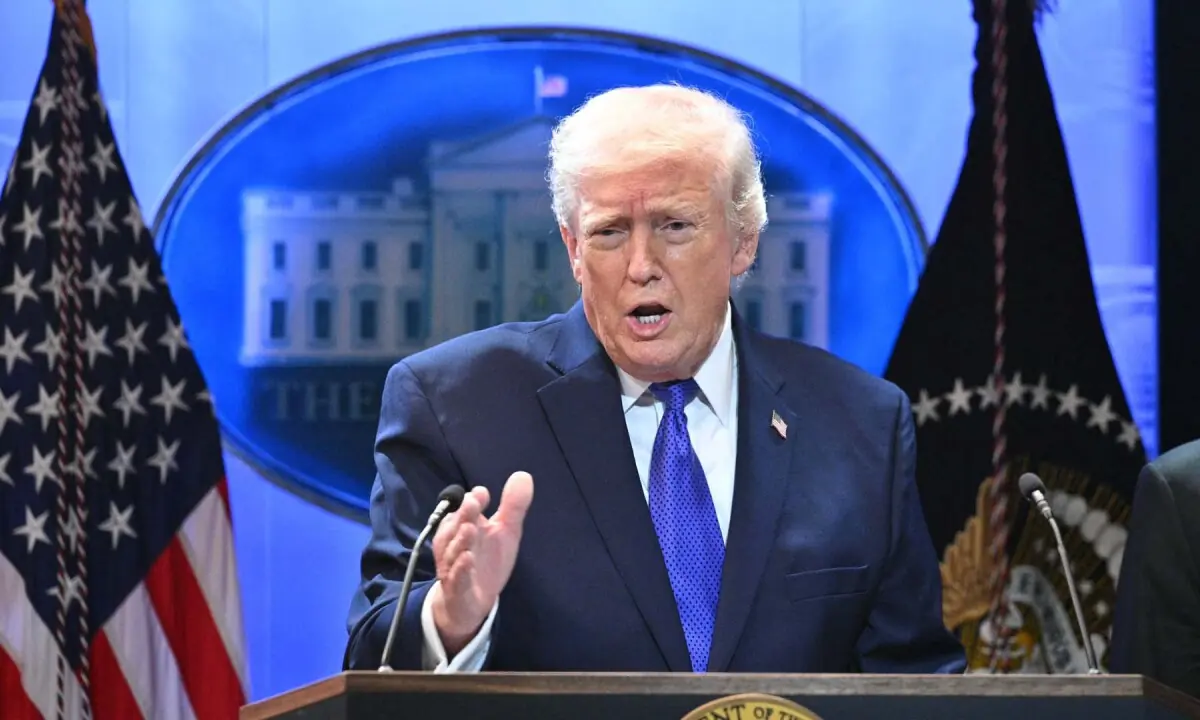
The Trump global tariff vow triggered fresh uncertainty in global markets after the US Supreme Court ruled against President Donald Trump’s emergency trade tariffs. Within hours of the decision, Trump announced plans to impose an additional 10 percent tariff on US trading partners using alternative legal powers.
Speaking to reporters after the ruling, Trump insisted the decision strengthened presidential authority over trade. He said he would move quickly to introduce new tariffs to protect US economic interests. He also criticized parts of the court, saying some justices lacked the courage to support his position.
Trump has relied heavily on tariffs as a core economic and foreign policy tool since returning to office. His strategy has fueled a renewed global trade conflict and unsettled relations with several major partners.
Analysts say the Trump global tariff vow could reshape trade talks in the coming months.
Supreme Court ruling reshapes tariff powers
In a 6–3 decision, the Supreme Court upheld lower court rulings that Trump exceeded his authority by using the 1977 International Emergency Economic Powers Act (IEEPA) to impose sweeping tariffs. The court said Congress, not the president, holds primary power over taxes and tariffs.
Chief Justice John Roberts wrote that IEEPA contains no explicit reference to tariffs. The court argued that if Congress intended to grant such power, it would have done so clearly in the law.
The case arose from legal challenges by small businesses and a coalition of US states. Economists estimate that more than $175 billion has been collected under the disputed tariffs. That amount could require refunds following the ruling.
Trump praised Justice Brett Kavanaugh, the only justice he appointed who sided with him. He said the ruling still leaves him “more powerful” and able to act through other statutes.
Legal experts believe the Trump global tariff vow will trigger new court scrutiny.
Economic stakes of the Trump global tariff vow
The Trump administration had projected that its tariff program would generate trillions of dollars over the next decade. According to the Congressional Budget Office, existing tariffs could raise roughly $300 billion each year if maintained.
US Treasury data shows customs duty receipts reached a record $195 billion in fiscal 2025. However, officials have not released updated tariff collection figures since mid-December.
Economists are closely watching how the Trump global tariff vow affects global markets.
The Trump global tariff vow signals that the White House will seek alternative legal routes. Officials have pointed to national security provisions and retaliatory trade laws as possible tools. Yet analysts say these options may not match the speed and scale of the emergency powers Trump previously used.
ALSO READ Trump Iran Nuclear Talks Deadline: 10–15 Days Warning
Global reactions and market impact
International partners reacted cautiously to the ruling and Trump’s response. The European Union said it is reviewing the decision and seeking clarity from Washington. EU officials stressed that businesses need stability in transatlantic trade.
Britain signaled it would work closely with US authorities to assess the impact on bilateral trade. Canada welcomed the decision, calling the disputed tariffs unjustified, although sector-specific duties on steel and autos remain in place.
Financial markets responded positively. Stock indexes in the United States and Europe rose, led by companies exposed to global trade. Shares of major luxury brands gained as investors anticipated reduced legal uncertainty.
Expanding executive power debate
Trump became the first president to use IEEPA to impose broad tariffs. Historically, the law supported sanctions and asset freezes during national emergencies. Legal experts say the ruling draws a clearer line around executive authority.
Since returning to office, Trump has tested the limits of presidential power in several areas, including immigration enforcement and federal agency restructuring. His tariff strategy also served as leverage in trade negotiations, prompting foreign leaders to seek deals in Washington.
The Trump global tariff vow suggests that trade tensions will remain central to his policy agenda. While alternative legal tools exist, experts warn they may face fresh court challenges.
Why This Matters
The ruling affects billions of dollars in global trade and clarifies the balance of power between Congress and the presidency. It also shapes future US trade policy and investor confidence. Businesses worldwide depend on predictable tariff rules, so rapid policy shifts can disrupt supply chains and markets.
What Happens Next
The White House is expected to outline new tariff measures using other legal authorities. Legal battles may follow if opponents challenge those actions. Meanwhile, trading partners will monitor negotiations closely as markets adjust to the new legal landscape.
FAQ’s
What is the Trump global tariff vow?
It refers to President Trump’s pledge to impose a new 10 percent global tariff after the Supreme Court blocked his earlier emergency tariffs.
Why did the Supreme Court reject the tariffs?
The court ruled that the president exceeded his authority under IEEPA, which does not clearly authorize tariff powers.
Will businesses receive tariff refunds?
Economists say refunds are possible if courts order repayment of duties collected under the invalidated program.
How did markets react to the ruling?
Stock markets in the US and Europe rose as investors welcomed greater legal clarity.
Could new tariffs face legal challenges?
Yes. Any new measures may trigger further court cases over presidential authority.
