

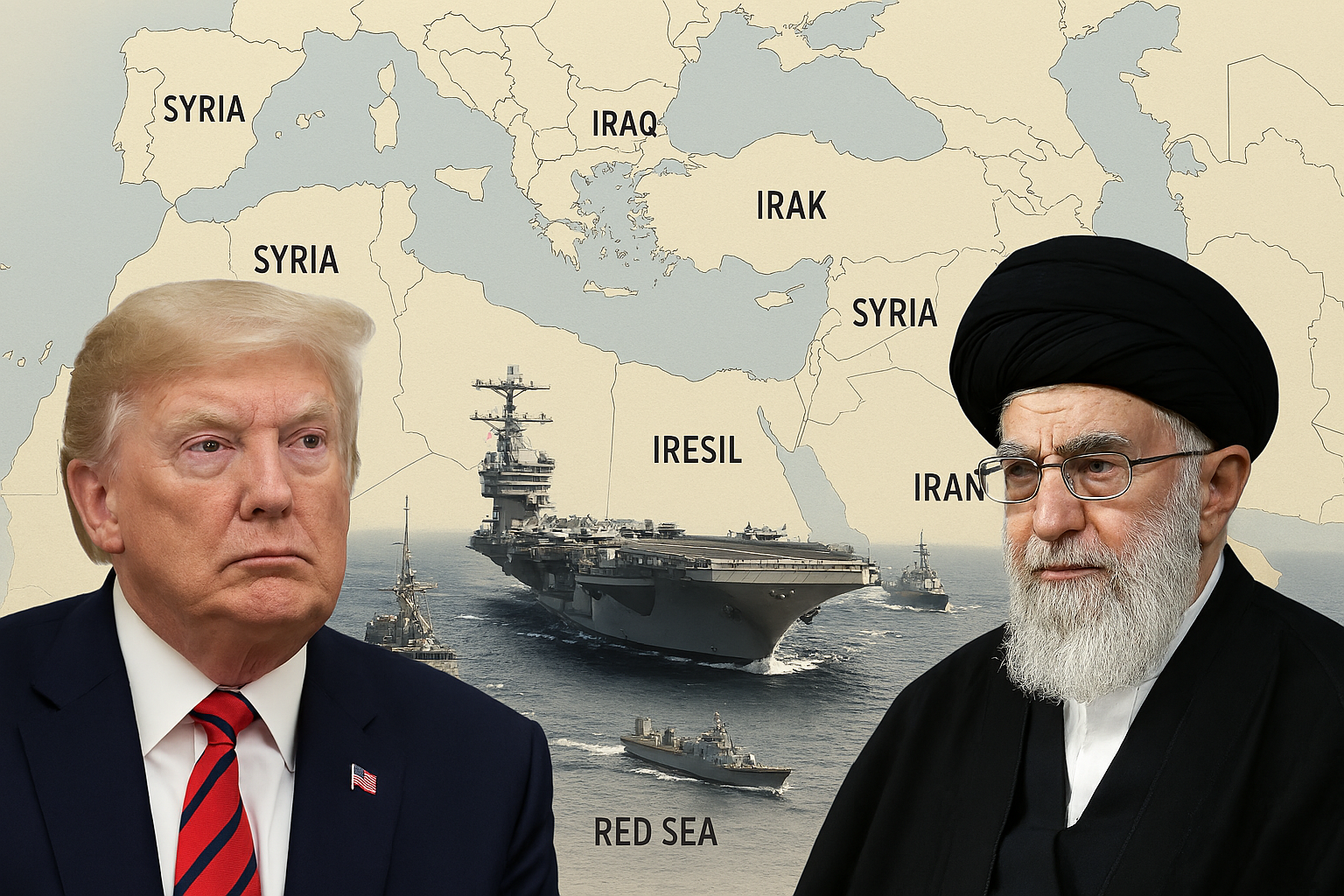
The Trump Iran nuclear talks deadline has reshaped the diplomatic landscape in the Middle East after President Donald Trump gave Tehran 10 to 15 days to return to negotiations or face consequences. The announcement places renewed pressure on Iran and signals that the United States is prepared to escalate if talks fail.
In June, President Trump said he would decide “within the next two weeks” whether to strike Iran. He made that decision just two days later. Now, with a fresh clock ticking, the Trump Iran nuclear talks deadline has become the center of high-stakes diplomacy.
Trump Iran Nuclear Talks Deadline Raises Stakes
The new deadline sends a clear message. According to Jason Brodsky, policy director at United Against Nuclear Iran, Tehran should not expect flexibility from this administration.
“The Iranian regime has been operating under a grand delusion that they can turn President Trump into President Obama,” Brodsky said. He added that the administration remains deeply skeptical that diplomacy will deliver an acceptable outcome.
Officials believe negotiations may serve two purposes:
- Force Iran to confront hard choices
- Buy time for the U.S. to strengthen military positioning in the region
Naval assets, including carrier strike groups, have been deployed in the Middle East. This signals readiness while talks continue.
Iran’s Red Lines and Negotiation Limits
Sources familiar with the discussions say Iran understands how close the risk of conflict feels. However, Tehran cannot accept restrictions on its short-range missile program. Supreme Leader Ali Khamenei has reportedly defined this issue as a firm red line.
Iranian negotiators are not authorized to cross that boundary. Conceding on missile limits would be viewed internally as a major defeat.
There may be more flexibility on uranium enrichment levels if sanctions relief is included. Still, analysts say Iran refuses to accept zero enrichment or dismantle its nuclear infrastructure.
Behnam Taleblu of the Foundation for Defense of Democracies warned that Tehran may attempt a limited agreement. Such a deal could formalize the current situation without major concessions.
“They want to deter a strike, weaken domestic opposition, and secure financial stabilization,” Taleblu explained.
ALSO READ Trump Warns US Will Take Tough Action if Iran Deal Fails
Military Ambiguity and Strategic Pressure
The administration’s approach remains deliberately unclear. Analysts say this ambiguity increases leverage.
Jacob Olidort of the America First Policy Institute stated that President Trump wants to give diplomacy a chance. However, if negotiations fail, military options remain on the table.
The key question is what military action would aim to achieve:
- Would it pressure Iran back into talks?
- Or would it directly dismantle nuclear capabilities?
Public opinion inside Iran is also divided. Many oppose foreign intervention, while domestic tensions remain high after previous protests and unrest.
Why This Matters
The Trump Iran nuclear talks deadline could shape the future of regional stability. A diplomatic breakthrough may reduce tensions. However, failure could trigger military confrontation, impacting global energy markets and Middle East security.
This deadline is not just a timeline. It is leverage designed to influence Tehran’s calculations.
What Happens Next
Iran may attempt to delay talks or offer limited compromises. Meanwhile, the U.S. will likely maintain military readiness during the 10–15 day window.
If negotiations collapse, the administration may pivot quickly toward targeted military action. The coming days will determine whether diplomacy survives or escalation begins.
FAQs
What is the Trump Iran nuclear talks deadline?
The Trump Iran nuclear talks deadline gives Tehran 10 to 15 days to enter negotiations or face potential consequences.
Could the U.S. strike Iran?
If diplomatic efforts fail, President Trump has indicated that military options remain possible.
What are Iran’s non-negotiable positions?
Iran refuses to limit its missile program and rejects zero uranium enrichment demands.
Why is this deadline significant?
It increases pressure on Tehran and signals U.S. readiness for both diplomacy and force.
