

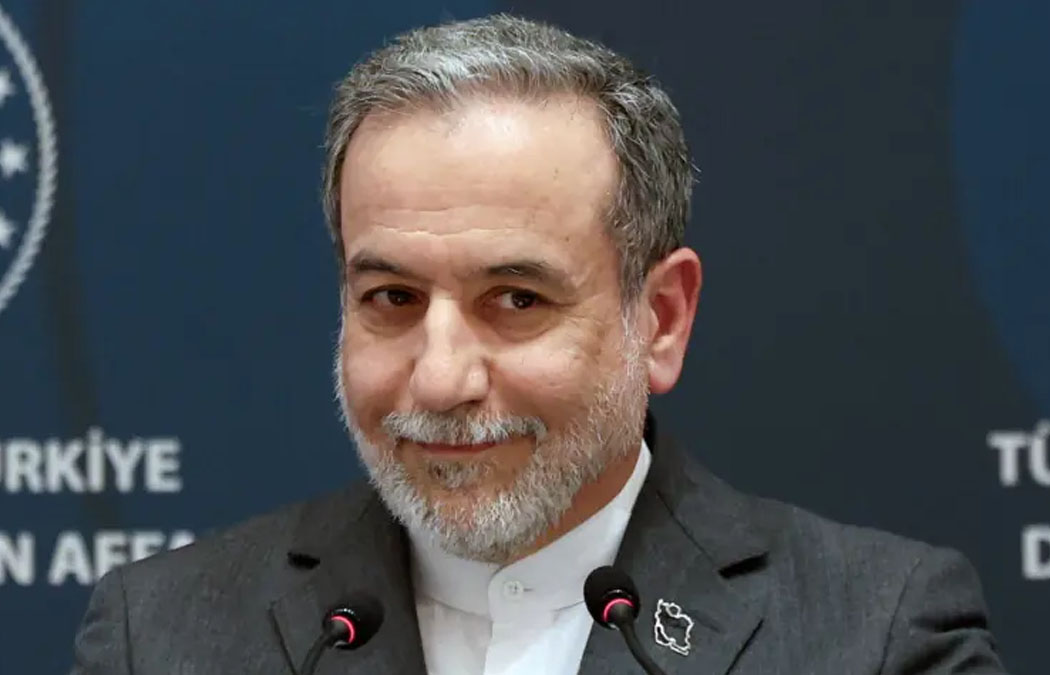
Iran Open to Talks with U.S. as Tehran has signaled its willingness to re-engage in dialogue with Washington, stressing that any negotiations must be fair and balanced and should not include discussions about its defense capabilities.
Speaking during a joint press conference in Istanbul, Iran’s Foreign Minister Abbas Araghchi said Tehran remains open to diplomacy but will not compromise on matters related to national security.
Araghchi made the remarks alongside Turkish Foreign Minister Hakan Fidan, emphasizing that negotiations must respect Iran’s sovereignty and security interests.
“Should the negotiations be just and balanced, Iran is ready to engage,” Araghchi told reporters, while confirming that no formal meetings between Tehran and Washington are currently scheduled.
Trump Signals Interest in Renewed Dialogue
The development comes after Donald Trump announced his intention to hold talks with Iran, signaling a potential opening for diplomacy between the two long-time adversaries.
Despite the diplomatic overture, Washington has also reinforced its military presence in the region by dispatching another warship to the Middle East.
Officials at the Pentagon stated that the U.S. military remains fully prepared to execute any directives from the president if tensions escalate.
Missile Program Remains a Major Sticking Point
One of the key issues complicating potential negotiations is Iran’s missile program.
Washington has repeatedly insisted that Iran must curb its missile development as part of any renewed diplomatic engagement. According to a senior Iranian official who spoke to Reuters, this condition has been clearly conveyed to Tehran.
Iran, however, has firmly rejected the demand, insisting that its missile and defense capabilities are essential for national security and therefore non-negotiable.
For Iranian leaders, the missile program serves as a vital deterrent in the volatile Middle East security environment.
Regional Powers Encourage De-escalation
As tensions continue, several regional powers have stepped in to encourage diplomacy and prevent a potential military confrontation.
Countries including Turkey, United Arab Emirates, and Saudi Arabia have increased diplomatic efforts aimed at easing tensions between Tehran and Washington.
Araghchi described his discussions with Fidan as “productive and constructive,” adding that Iran remains committed to working with regional partners to promote stability and peace across the region.
Diplomatic Window Remains Fragile
Although both Tehran and Washington have signaled openness to dialogue, significant challenges remain.
Deep mistrust, disagreements over Iran’s missile program, and continued military posturing could complicate efforts to restart negotiations.
Still, regional diplomacy and mutual signals of willingness to talk suggest that a narrow window for dialogue may exist.
Whether this opportunity evolves into meaningful negotiations will depend on the ability of both sides to address security concerns while maintaining respect for national sovereignty.
FAQs
1. Why is Iran open to talks with the U.S.?
Iran Open to Talks with U.S as Tehran says it is willing to engage in negotiations if discussions are fair, balanced, and respect Iran’s sovereignty and national interests.
2. What condition has Iran set for negotiations with the U.S.?
Iran has made it clear that its defense and missile capabilities are non-negotiable and will not be included in any talks.
3. What did the U.S. say about possible talks with Iran?
U.S. President Donald Trump announced that Washington intends to hold talks with Tehran while maintaining military readiness in the Middle East.
4. Where did Iran’s foreign minister make these remarks?
Iran’s Foreign Minister Abbas Araghchi made the statement during a joint press conference with Hakan Fidan in Istanbul.
5. Are there any scheduled meetings between Iran and the U.S.?
No formal meetings between Tehran and Washington have been scheduled yet, according to Iranian officials.
